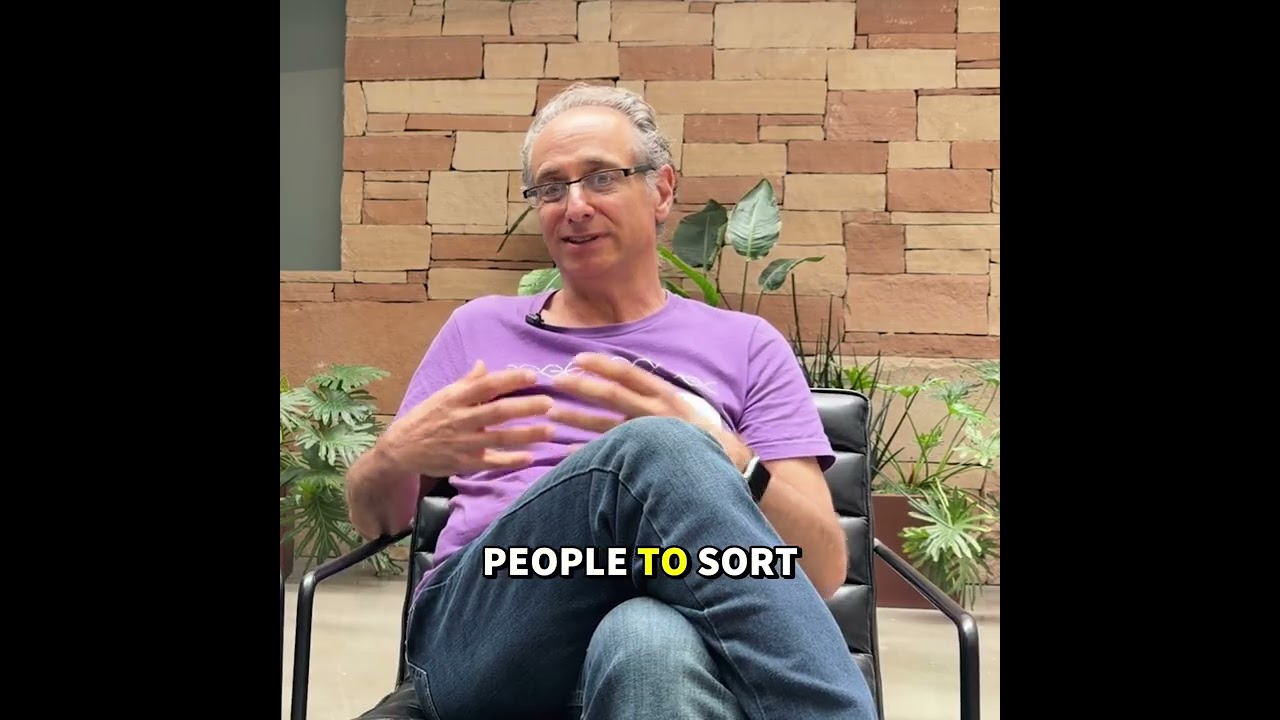
Building Student Resilience
On mentoring the next generation through Covid, economic headwinds, and a changing job market
Arizona Tech Week 2026
Scientific & Business Development Director · uGenome
Genomics generates the data. The real challenge is interpreting it, and we built the software that makes sense of every variant, every pathway, every person.

Origin
My first real break came at the National Institutes of Health. After completing my doctorate at the University of Guelph, I went to NIH in Bethesda - working in the Division of AIDS and the National Cancer Institute. Eventually I moved from the intramural division into the extramural division, where the grants and contracts live, where the funding goes out to support the researchers doing the work.
The person who changed my trajectory was my first mentor there: Pat de Souza. She didn't just look at my professional potential - she wanted to know me as a person. She gave me extra rope: the freedom and encouragement to explore, to take on projects, to figure out what I was actually capable of. And I watched her do the same for the people who came after me. She raised excellent researchers.
I eventually came to Tucson to work at the Critical Path Institute, and during that time I had the chance to teach graduate courses at the University of Arizona law school - which sounds unlikely for an immunologist, but it was about innovations in biologics and diagnostics, the regulatory science behind the bench work. That experience made me realize how much I love translating complex science for disparate audiences. It's what I still do every day at uGenome.
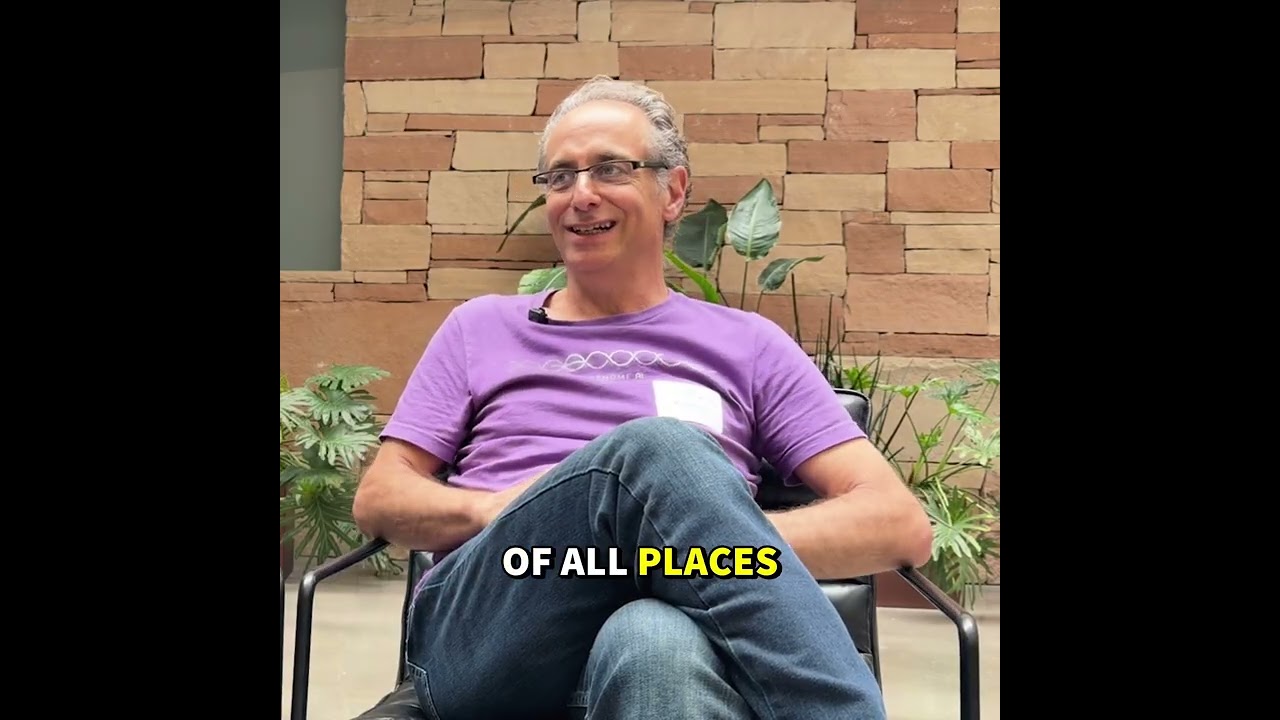
My First Break
From the University of Guelph to NIH to uGenome, the mentor who made it possible
Present
uGenome is a software company, and we build bioinformatics solutions. We work in multi-omics: the full biological pipeline from DNA (genomics), to RNA (transcriptomics), to protein (proteomics), along with epigenetics and the microbiome. Each step has regulations and checks and balances in between, and those interactions, the variants that alter protein activity, the pathways that halt or accelerate production, are what determine how diseases behave and how drugs interact with your body.
Our first product is pharmacogenomics: the science of how your body metabolizes drugs. We use FDA-identified variants and established clinical guidelines, built from analyses of dozens of clinical trials - to determine whether a particular person will have a certain reaction to a drug based on their DNA. Our three primary focus areas are rare diseases, oncology, and women's health.
Women's health has been dramatically underfunded and under-researched, a data desert, as it was described at the very conference where I had this conversation. Women who can't get the right treatment often find themselves dismissed or given no answers. We think genomics can change that by honing in on the specific variants that might explain what's happening and pointing toward the tests worth doing. We're also mentoring MBA students from Vanderbilt University, three interns with active projects, because the science only gets better when the next generation is part of building it.
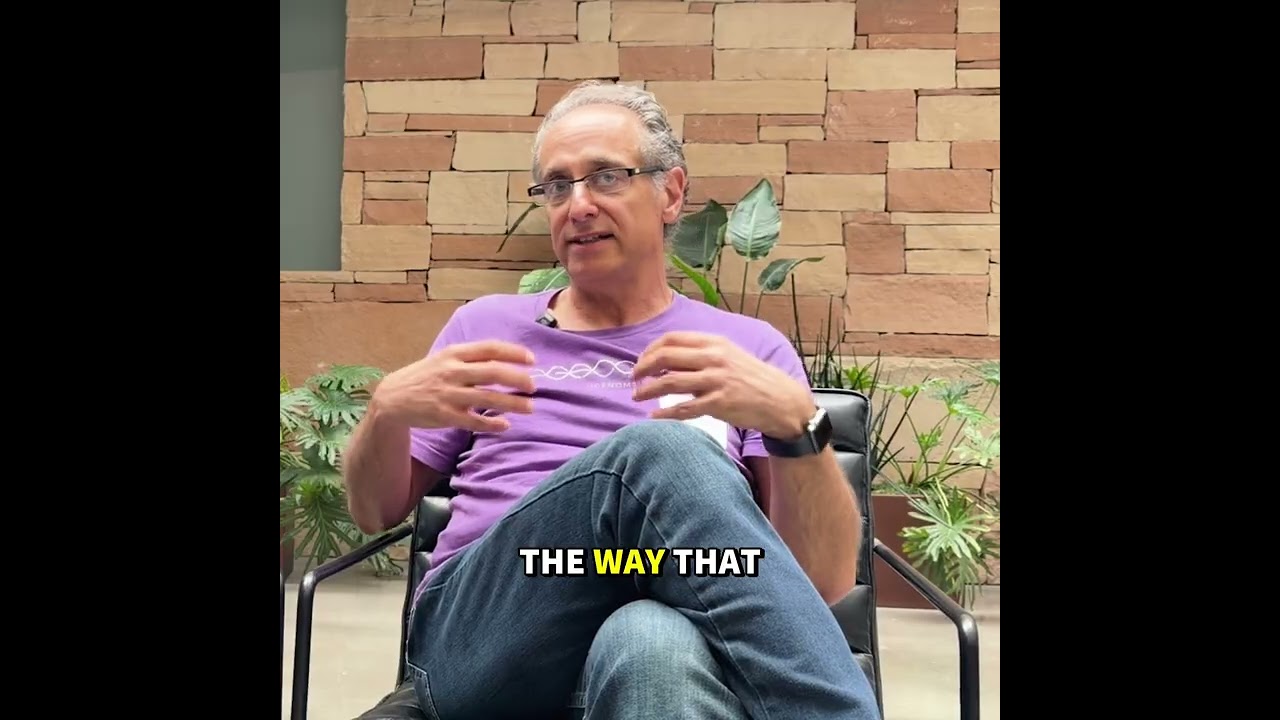
What Is uGenome?
The multi-omics software company making genomic data interpretable
Future
The data already exists. Now we have to interpret all of it - at once.
Within the next month or so, we're launching a new division called DNA2Health - expanding beyond our core bioinformatics platform into direct-to-consumer genomic insights for the wellness market. We've been in conversations with functional medicine doctors who are keenly interested in not just genetics and genomics, but epigenetics and the microbiome. That's the direction this is going.
The bigger vision is AI doing something no human team can realistically accomplish alone: looking across all of the omics datasets simultaneously, identifying the common pathways and the divergent ones, and surfacing connections too complex for any single analysis to catch. Diseases are polygenic - multifunctional, multi-pathway, never just one gene. That's where AI steps in. And that's where I believe the future of precision medicine actually lives.
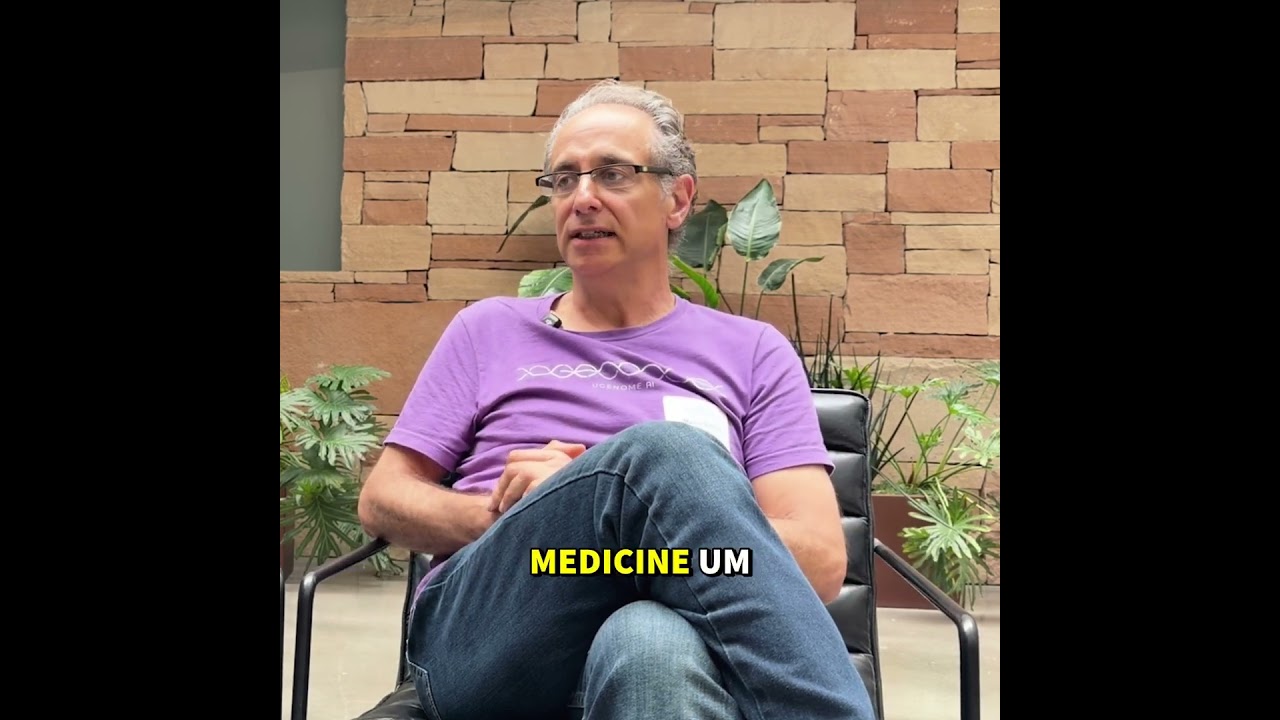
DNA2Health Launch
The new direct-to-consumer genomics division, and why functional medicine doctors are paying attention
Fast Facts
Company
uGenome
Focus
Rare Diseases · Oncology · Women's Health
First Product
Pharmacogenomics
Background
PhD, University of Guelph · NIH Postdoc
Location
Tucson, Arizona
Watch More
On mentoring the next generation through Covid, economic headwinds, and a changing job market
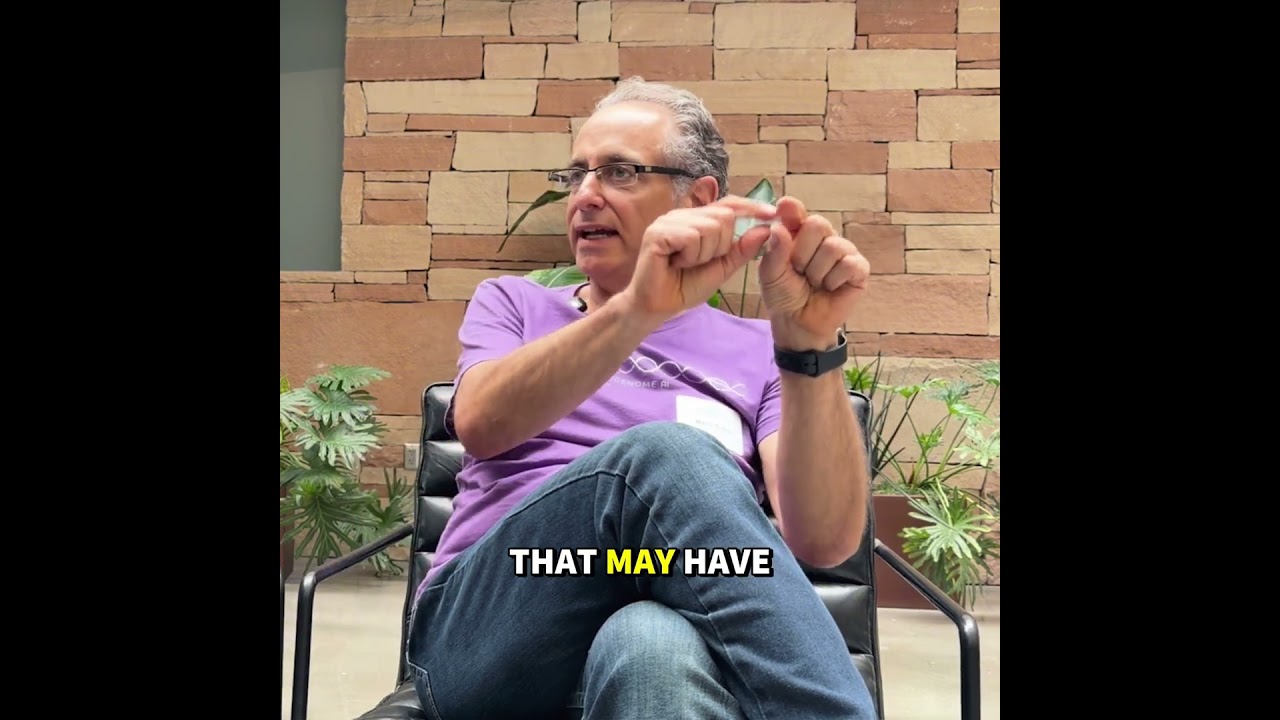
Why women's health is dramatically underfunded, and how genomics changes that
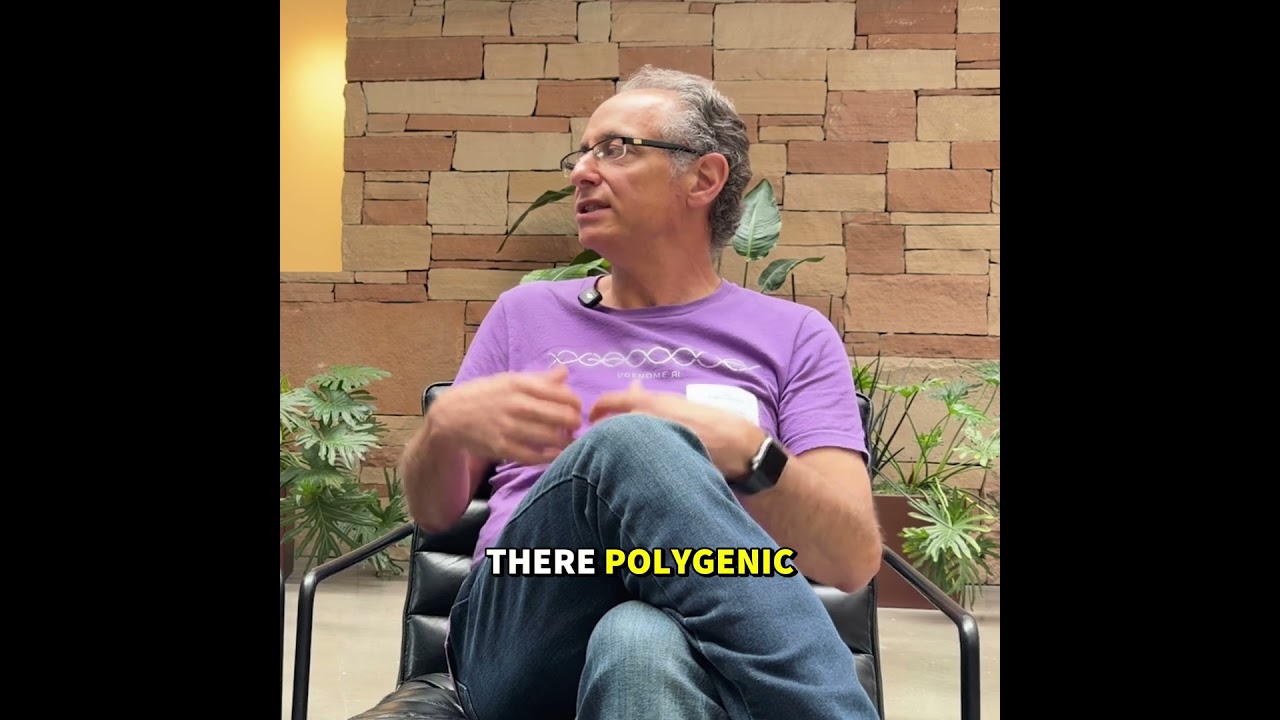
The multi-omics pipeline: from DNA variants to drug reactions to clinical decisions
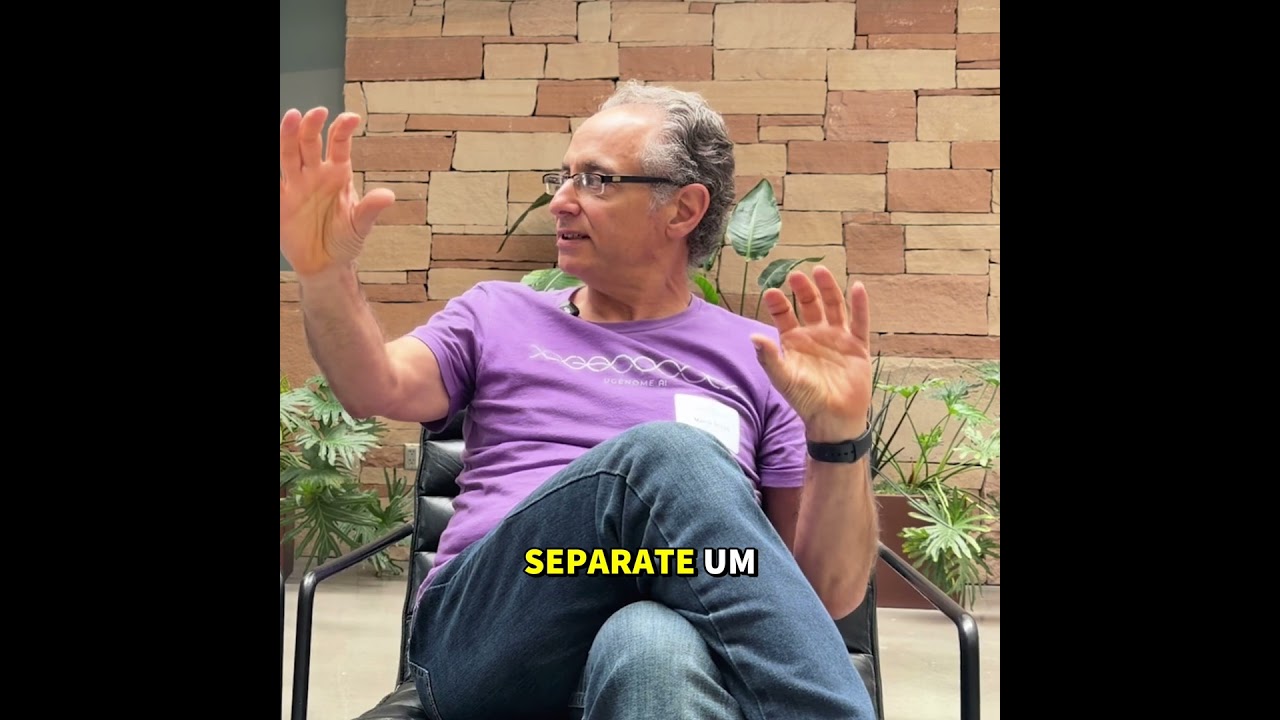
If AI could solve one thing instantly, Marco's answer about multi-pathway disease analysis
“It's the interpretation of the data that's very difficult - and that's what we try to do: provide that interpretation.”
Follow Marco Schito's work or reach out through the links below.
Related profiles from Arizona Tech Week 2026

Founder · uGenome
I'm building the tools that make your DNA your most powerful health asset, making genomic medicine personal and accessible for everyone.
View Profile →
Longevity Director · uGenome
I spent years mapping the molecular switch that steals your energy. Now I'm translating that science into tools that help everyone live longer and live well.
View Profile →
CFO & Co-Founder · Clinix AI
I learned finance sitting with a CFO after hours. Now I'm the one signing off on every dollar, and we're building the tool that gives medicine back its soul.
View Profile →
CEO, Exponent Labs | Engineering Manager, Elysium Health · Exponent Labs
From MySpace themes in middle school to engineering AI agents at a longevity company. I build, mentor, and show up wherever the future is being made.
View Profile →